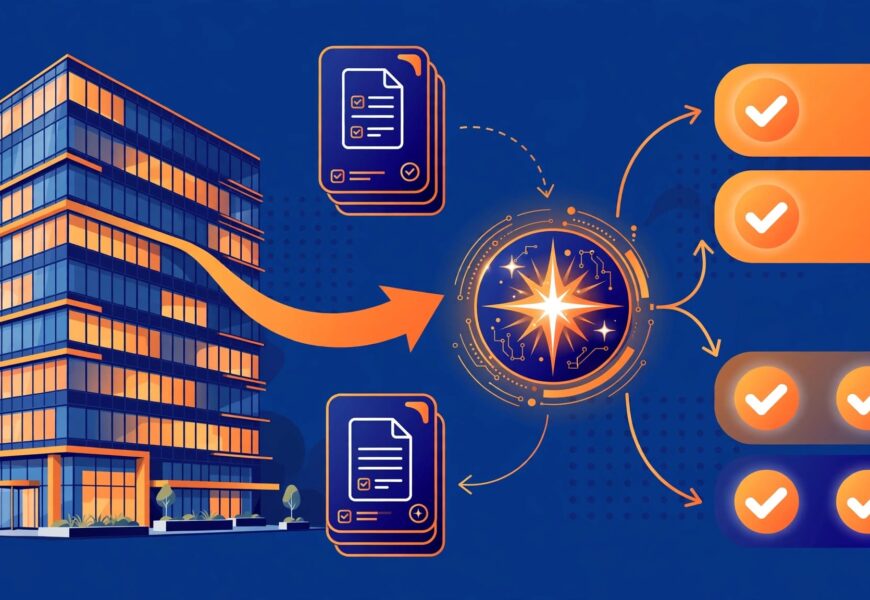
Quick Answer
pega.com is the website of Pegasystems, a US enterprise software company known for its low-code Pega Platform, case management, workflow automation and real-time customer decisioning. Large banks, insurers, healthcare organisations and public-sector bodies use it to run complex, regulated processes. It is powerful but expensive and demands skilled implementation, so it is rarely the right choice for small businesses.
Introduction
Small teams can automate a few tasks with simple tools. Large organisations face a different challenge: thousands of employees, strict regulations, legacy systems, millions of customers and processes that change every quarter. They need a platform that can model work, apply rules, decide the next best action and prove compliance.
This review of pega.com explains what the company sells, how the platform works, what it costs in practical terms, where it shines and where it can disappoint. If you are an operations leader, architect, consultant or student researching enterprise automation, this guide is for you.
How We Reviewed This Platform (EEAT Note)
This review uses the vendor’s public product pages, learning resources and investor information, plus enterprise software evaluation practices available in October 2026. Product names and packaging change, so confirm details on the official pega.com website. Because Pegasystems is publicly traded, you can also review its filings and stock profile on Nasdaq. Add your own project experience if you have implemented the platform.
What Is pega.com?
pega.com is the home of Pegasystems Inc., founded in 1983 and headquartered in Cambridge, Massachusetts. Over the decades, the company moved from workflow and business process management into a broader platform for case management, customer engagement and AI decisioning.
The central idea is to design applications around business outcomes rather than hand-coding every screen and rule. Business analysts and developers describe cases, data, rules and user journeys in a low-code environment, and the platform executes them with built-in audit trails.
Key Features
1. Low-code application development. Teams model workflows, forms, data and logic visually, which shortens delivery compared with custom coding, although complex projects still need specialists.
2. Case management. Pega treats work as cases that move through stages, with rules, service levels, escalations and approvals. This suits claims, onboarding, disputes, service requests and investigations.
3. Real-time decisioning. The Customer Decision Hub evaluates data and recommends the next best action for each customer, such as an offer, retention step or service message, across channels. For comparison with engagement tools, see Braze and Insider One.
4. Generative AI tools. The company has introduced GenAI features, including tools that help design workflows from plain-language descriptions and assist users inside applications. As with any AI, outputs need governance and review.
5. Process intelligence and automation. Process mining, robotic automation and AI help find bottlenecks and automate repetitive steps.
6. Cloud and deployment options. Pega Cloud offers a managed environment, and enterprises can integrate with existing systems through APIs and connectors.
7. Governance and auditability. Versioned rules, role-based access and audit logs matter for regulated industries.
Benefits of Using pega.com
- Built for complexity. Handles processes with many roles, rules and exceptions.
- Unified platform. Workflow, decisioning and customer engagement share one architecture.
- Compliance support. Audit trails and rule transparency help with regulated environments.
- Faster change. Business-led rule changes can reduce dependence on long code release cycles.
- Training ecosystem. Free learning through Pega Academy and a large partner network help organisations build skills.
Cons and Limitations
- High cost. Licences, cloud fees and implementation services can be significant.
- Specialist skills needed. Certified architects and developers are essential for large builds.
- Long projects. Enterprise transformations can take months, and scope creep is common.
- Overkill for simple needs. A lighter tool such as Activepieces is better for basic app-to-app automation.
Pricing: What to Expect
Pega uses enterprise pricing that is negotiated, not published as a simple monthly plan. Costs usually depend on the products selected, deployment model, usage, number of users or transactions and support level, plus implementation services from the vendor or a partner. When building a business case, include:
- Licence or subscription fees by product
- Cloud hosting and environment costs
- Implementation partner fees
- Training and certification costs
- Internal staff time for design, testing and change management
Comparison Table
| Platform | Best for | Complexity | Typical buyer |
|---|---|---|---|
| Pega | Regulated enterprise workflow and decisioning | High | Banks, insurers, healthcare, government |
| Activepieces | App-to-app automation | Low to medium | Startups, agencies, IT teams |
| Braze | Cross-channel customer messaging | Medium | Consumer brands and apps |
| Insider One | Personalisation and CDP | Medium | Retail and ecommerce |
Who Is It Best For?
It fits organisations with high transaction volumes, strict controls and long-lived processes. Examples include insurance claims handling, loan origination, customer service operations and government case work. These buyers value traceability and scale more than low sticker price.
Why Choose pega.com?
Choose pega.com if your business must standardise complex processes across regions, apply real-time decisions to millions of customers and prove every step to auditors. It is also worth shortlisting when you want one platform to join service workflows and marketing decisions instead of stitching many tools together. Run a proof of value on one high-impact process before a large commitment.
Who Should Avoid It
Small and mid-sized companies without dedicated architects, and teams that only need email campaigns or lightweight automations, will probably find the platform too heavy. Consider Emailchef for email or systeme.io for an all-in-one creator stack.
Conclusion
Our verdict: pega.com represents a mature, enterprise-grade option for process automation and AI decisioning. Its strengths are depth, governance and scale, while its drawbacks are cost, complexity and the need for skilled teams. If your organisation fits the profile, request a scoped demonstration using your own scenarios, talk to reference customers and compare at least two competitors before deciding.
Frequently Asked Questions
Q: What is pega.com?
A: It is the website of Pegasystems, which sells the Pega Platform for low-code workflow, case management and AI-driven customer decisioning.
Q: Who uses Pega?
A: Large organisations in sectors such as financial services, insurance, healthcare, telecommunications and government.
Q: Is Pega low-code or no-code?
A: It is a low-code platform. Business users can contribute, but complex builds still need trained developers.
Q: How much does Pega cost?
A: Pricing is custom and depends on products, scale, cloud usage and services, so you need a vendor quote.
Q: Does Pega offer AI features?
A: Yes. It offers decisioning, process intelligence and generative AI tools, which should be governed carefully.
Q: Can I learn Pega for free?
A: Pega Academy provides training resources, and many learners start there before pursuing certification.
